CROWN JEWELS
Katherine Grover’s jewelry does much more than sparkle—it tells stories.
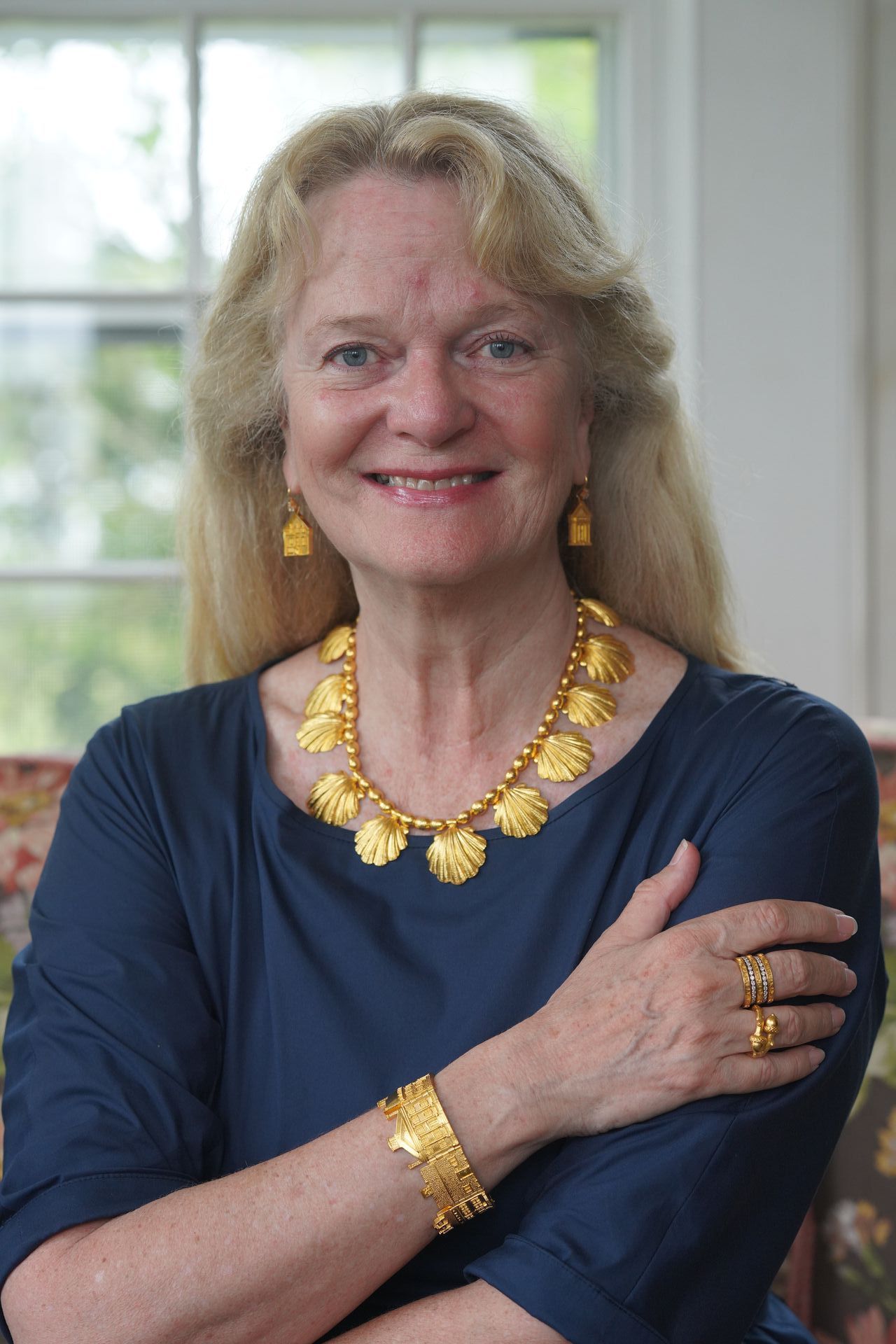
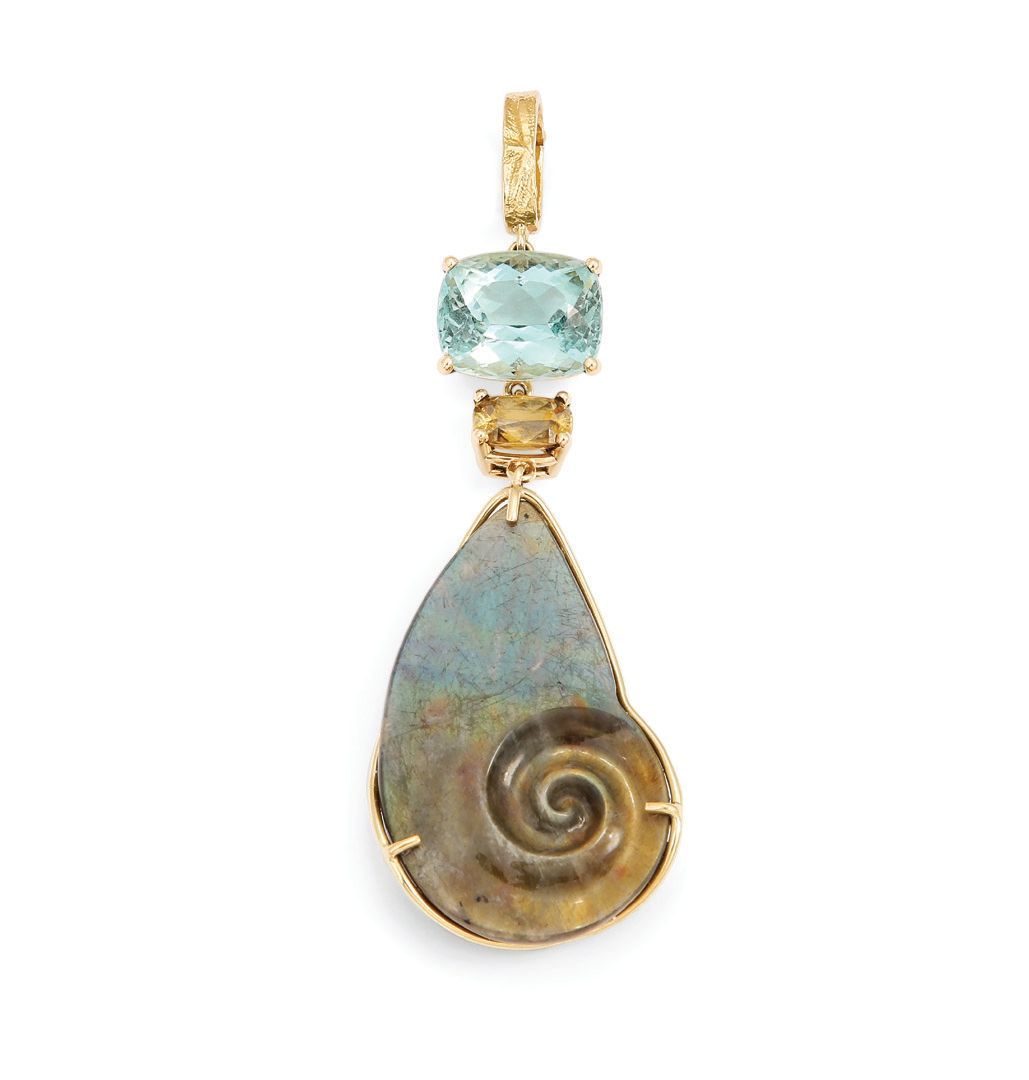
There’s a lot more to jewelry than sparkling gems and pearls—in fact, diverse cultures have attached symbolic meaning to their jewelry throughout history. It’s the stories and meanings behind foreign jewelry that inspired Katie Grover of Katherine Grover Fine Jewelry during her travels. And then in 2009, a chance encounter with a goldsmith in Istanbul allowed her to create her own pieces—eventually leading her to share her designs with the rest of the world.
Tell me more about the inspiration behind your fine jewelry.
I became interested in jewelry after managing a jewelry store on Nantucket in my 20s. I love to travel, and without realizing it, I found myself looking at jewelry when I traveled—looking at the fashion of it, the value of it, but also the iconography of it. What place did it hold in a different culture? What images resonated for that culture? Did it hold meanings different from our own concept of jewelry or adornment? Were the materials and techniques different?
You recently traveled to Istanbul and London. How did these places inspire you?
On this recent trip, I visited the British Museum, the Victoria and Albert, the Ashmolean and the Istanbul Archaeology Museum specifically to look at their ancient jewelry collections. At the Istanbul museum, for instance, I saw a wonderful exhibit with artifacts and gold jewelry from Ephesus. The patron goddess of Ephesus was Artemis, and there were many images of her in an ancient temple there that is regarded as one of the Seven Wonders of the Ancient World. Artemis was associated with the hunt, fertility and wild animals. Hawks held a special place in the legends around Artemis. As a consequence of that, there were many ancient hawk pendants and designs in the jewelry from Ephesus. Now, we might not find a hawk to be so compelling as a charm or a talisman to want to wear one in gold today. But I can tell you that in the very next display case, there was a pair of earrings that I would love to wear!
I just designed a necklace that was inspired by a piece found in the Cheapside Hoard in London. What is known as the Cheapside Hoard is a cache of 400-plus pieces of exquisite Elizabethan-era jewelry. Cheapside was the name of the street where the hoard was dug up. Buried in the 1640s, it was discovered in 1912 when workmen were digging in the basement of a building to shore up the foundation. No one knows for sure who buried these jewels, or exactly why. Both a civil war and the plague were looming at that time. Sadly, whoever buried them never made it back to retrieve them.
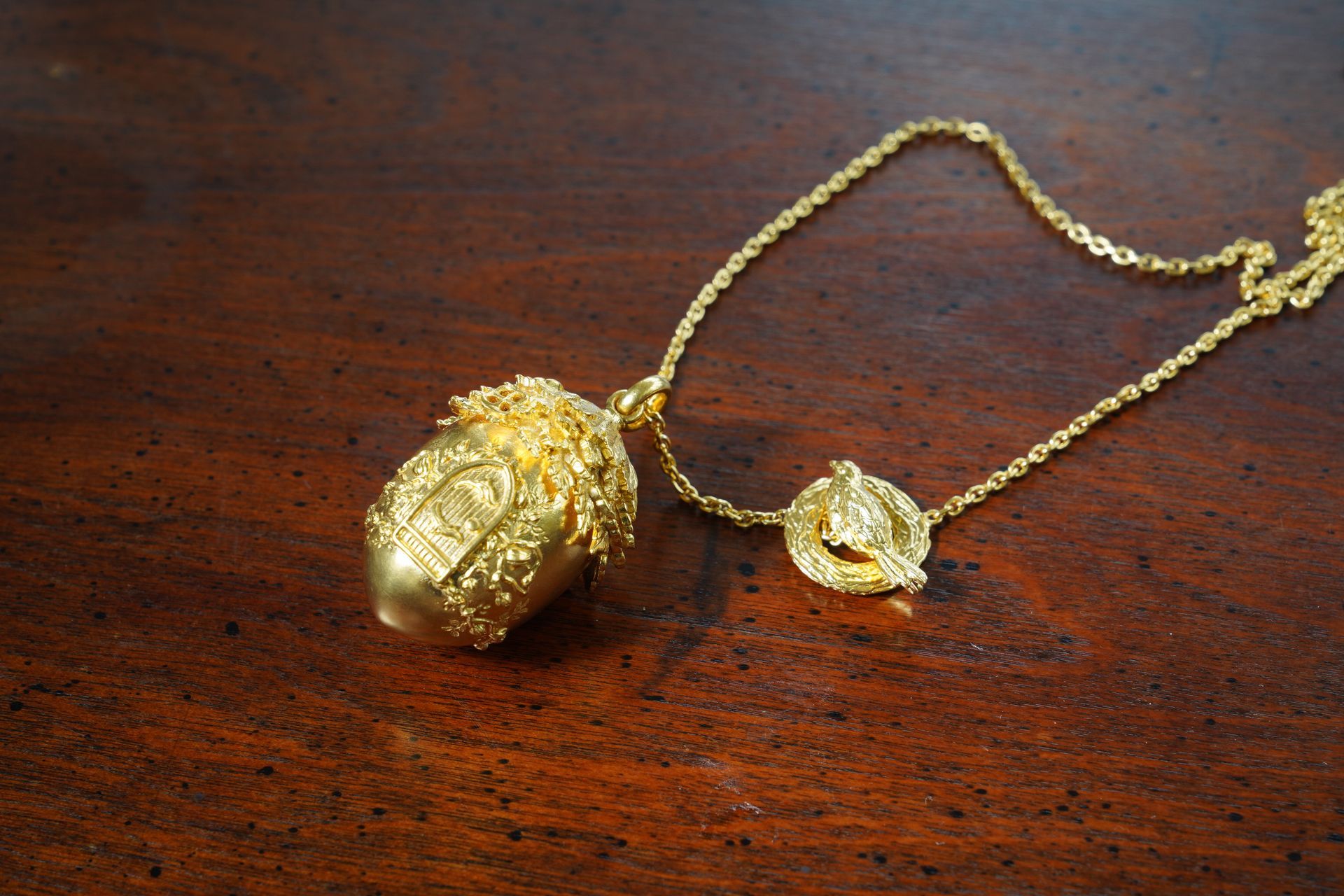
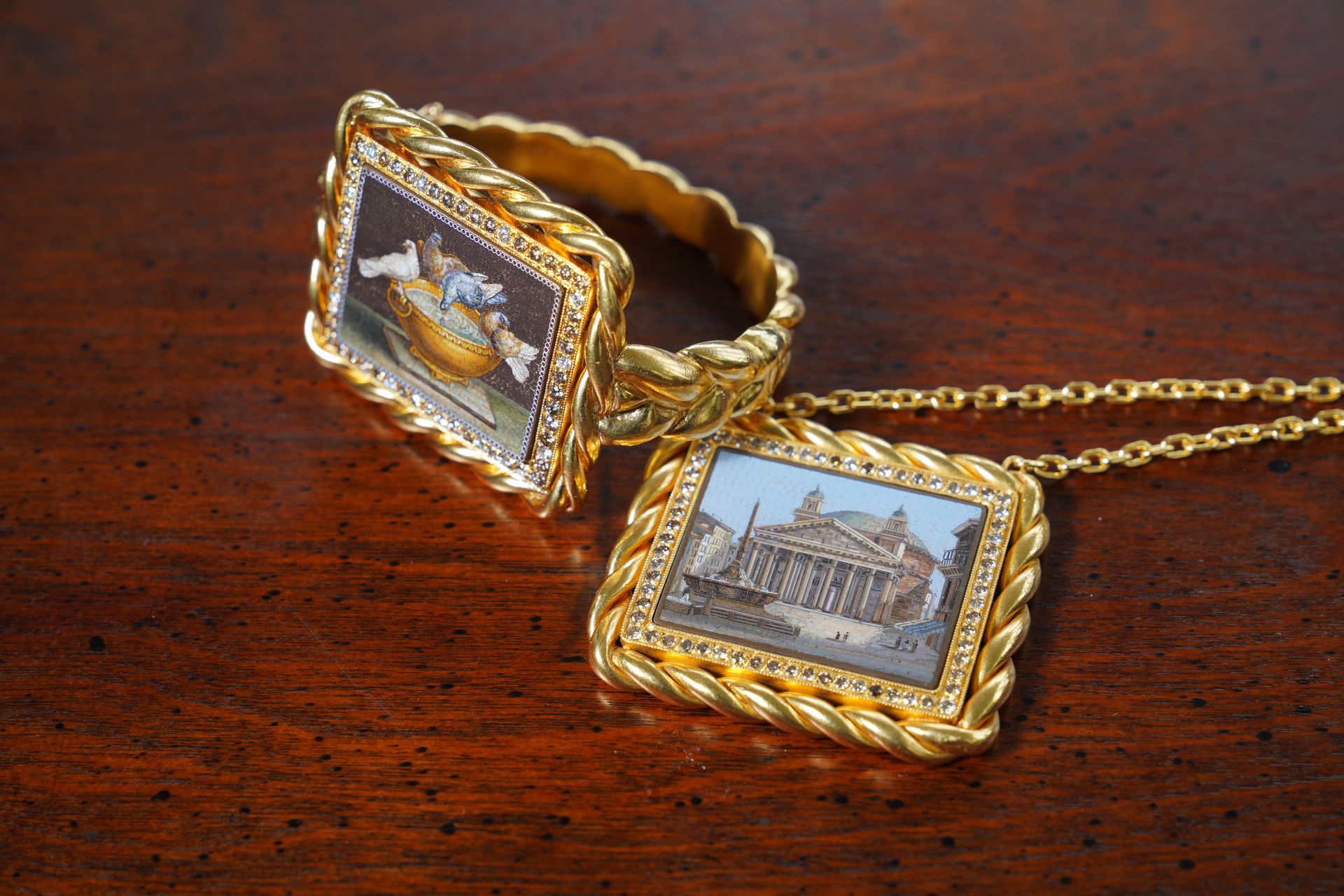
You make your pieces with 24-karat gold. Can you tell me more about that and what makes the material so special?
I have chosen to make my pieces in 24-karat and 22-karat gold. I can, and do, make things in 18-karat or 14-karat gold, and those alloyed metals have nothing to apologize for in my book. But I love the color and character of high karat gold. In many parts of the world, that is the standard for fine jewelry. It doesn’t happen to be so here in the United States, but in places like India, Turkey, China and the Middle East, 24-karat gold is where a family puts its wealth. In India, there are even direct deposit accounts whereby a portion of your salary can be deposited with a jewelry store as a savings plan for when you have enough to buy something else and add to your wealth in that way.
Aside from the visual richness of 24-karat jewelry, I am fascinated by the fact that ancient peoples valued it so highly. They saw 24-karat gold as totally pure, as it needs nothing to be added to it to enhance it. As something so pure, it took on a sense of the divine, a gift from the Gods—just as it is.
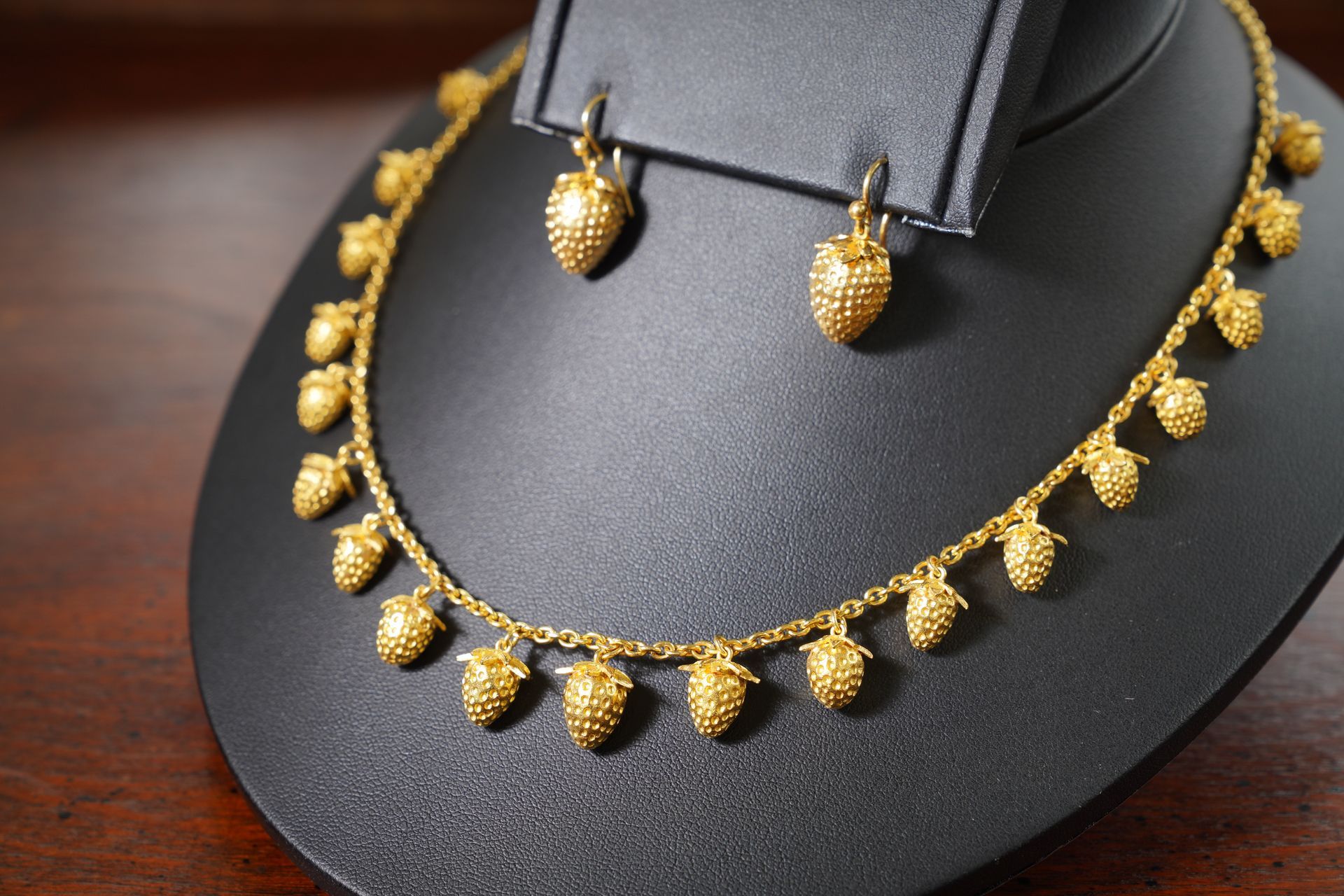
While Nantucket tends to be more laid-back with fashion, fine jewelry still holds a large epicenter here with locals. How do your fine pieces fit here, and what is your hope for their place on the island in the future?
Many residents and visitors on Nantucket share a sense of appreciation for antiques and the fine decorative arts. My jewelry is an extension of that. For me, it is always rewarding to share the stories behind my jewelry with others because telling a story adds so much meaning and ultimately pleasure to the wearing of treasured pieces that resonate. Things, in this case jewelry, evoke emotions. I recently gifted a Tibetan dorje pendant to someone dear to me who was going through a hard time. The dorje, like the Herakles knot in Greek iconography, symbolizes strength, and which of us couldn’t use a shot of strength from time to time?
For an appointment to see the full collection, please contact Katie Grover at 646.896.4013.
Latest Stories