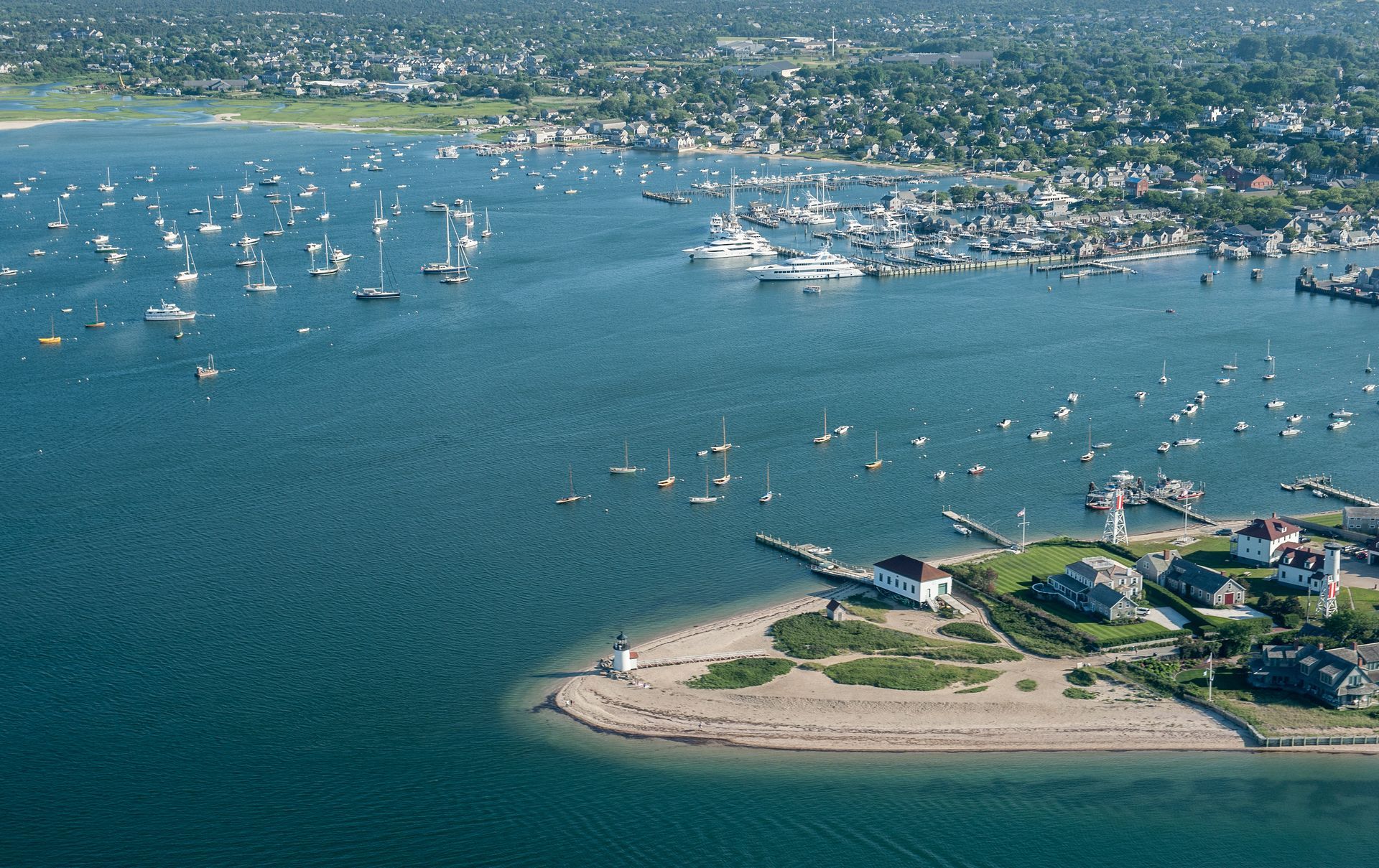
TAKING CHARGE
Amy Lee takes over as president of Nantucket Cottage Hospital.
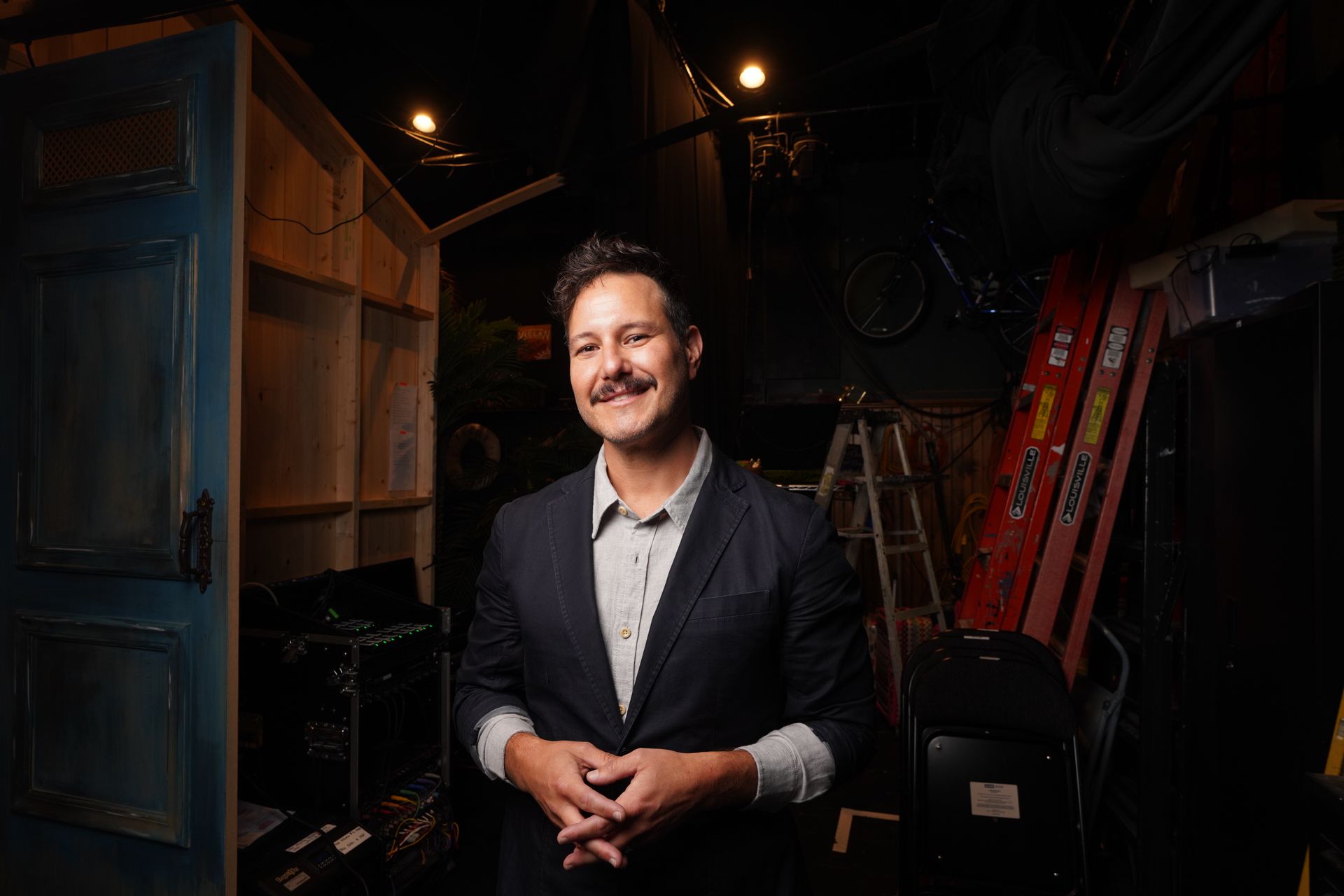
Amy Lee is the new president of the Nantucket Cottage Hospital and comes to the island after serving as the Chief Operating Officer of Central Maine Medical Group in Portland. She has also served as Director the Vail Valley Medical Center in Vail, Colorado, a community which bears many similarities to Nantucket both economically and in its inaccessibility during challenging weather conditions. Lee comes to the NCH at a time of increasing financial pressure on medical institutions across the country and a growing housing shortage on the island. N Magazine sat down with Amy Lee to discuss her impressions of Nantucket and her future vision for the hospital.
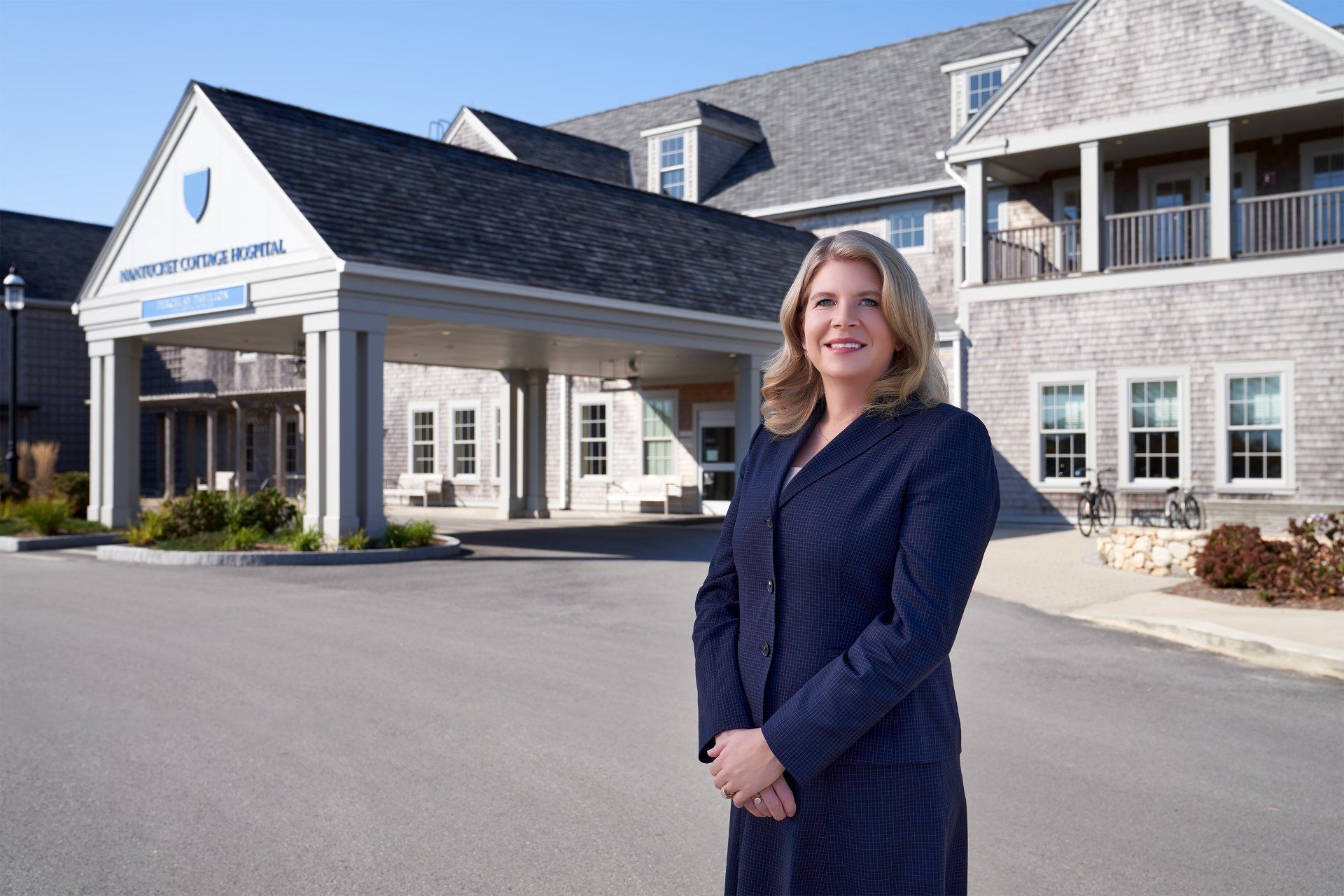
From a medical standpoint, have you ever seen the kind of extreme wealth disparity that we have on the island?
In a previous life, I actually worked for Vail Health. So I was up in Vail, Colorado. I lived in Beaver Creek, Colorado. A lot of the same type of situations apply. It’s a mountain resort community, very seasonal touristy and the disparity in the population with a large group of individuals coming to work during the tourist season. And then, of course, the year-rounders that were up there. In Beaver Creek, there were fifty families that lived there full time, and we were one of those families. So we got to experience that, which was part of the draw for Nantucket, because I think it was an amazing place to live, and the passion of the community to really provide services and be inclusive of the entire population in one way or another and really help each other out was amazing.
Labor shortage, particularly in the world of nursing, is affecting every hospital in America. It is magnified on Nantucket because we are an island and housing costs are extremely high. What are your thoughts on how to manage this dilemma?
Unfortunately, there’s not a magic wand, but I think it’s a multifaceted effort to recruit people, in that the way that you’re very transparent when you are recruiting and you’re showing them all the different aspects of the island, what there is to offer, the lifestyle. So if you’re looking for those individuals that that really appeals to, that helps. And you use your community members— the nurses that live here, the people that have started maybe as an MA [medical assistant] or some other type of role in the hospital and worked their way up—just so that they can share those stories [and] that helps show the commitment and the draw. It truly is the passion of the individuals that helps recruit, so you have to make sure they’re the faces of your recruitment efforts to do that. It is also looking at who lives here and how we can grow them.
You were fortunate to come after the new hospital was built. Tell us your impressions of the facility.
The facility is just absolutely beautiful. I think coming from central Maine where the infrastructure is aging very significantly, it was a treat to see so many new buildings.
And it’s also really interesting when you walk in and people are very proud of this building. From the ferry ride over to walking into the building, I’ve had people tell me stories of their connections to this hospital. Even if it was something very small, it’s still very meaningful to them. That was a wonderful feeling. You know that the hospital is more than just a building—even though it’s a gorgeous building.
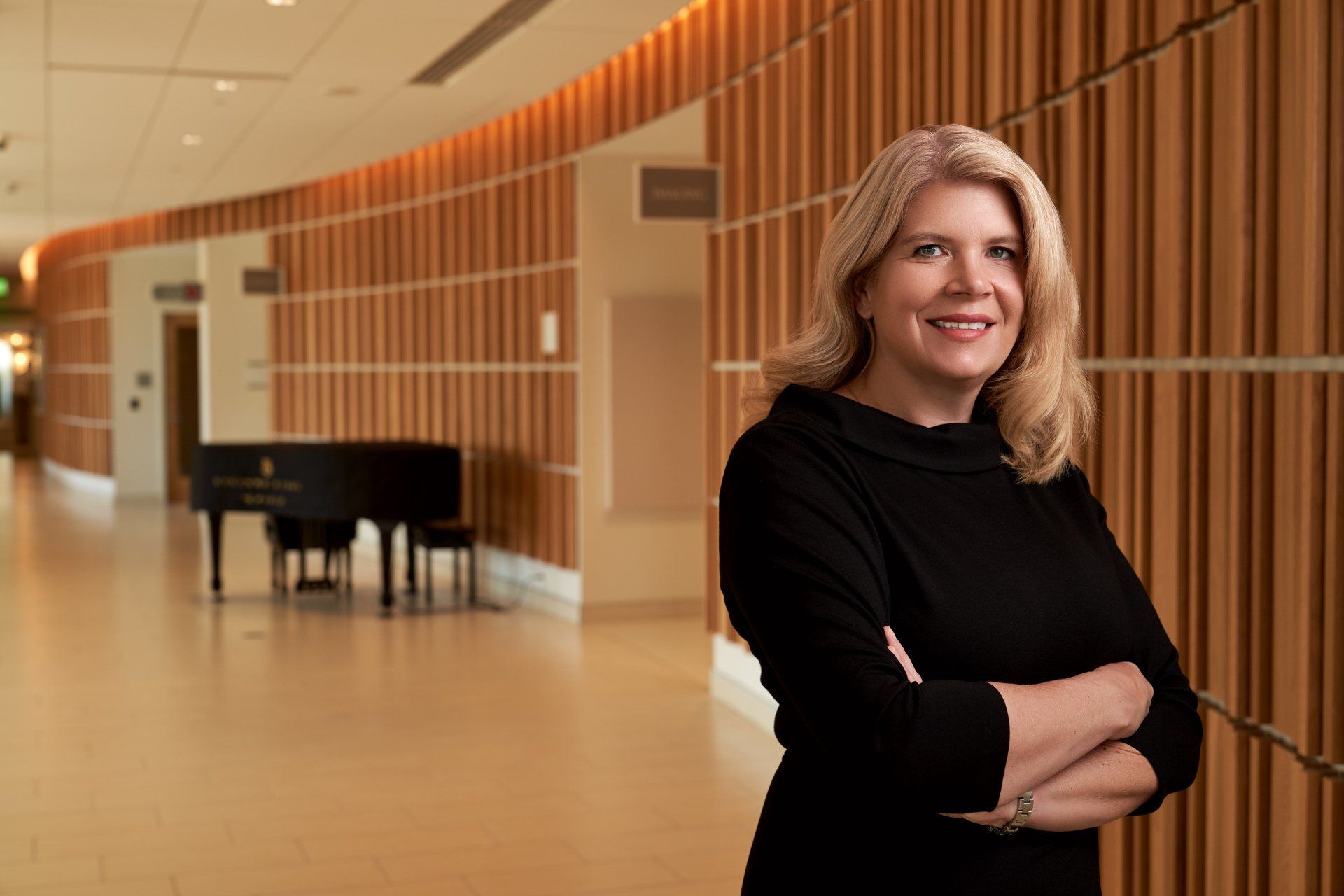
Have you had exposure to Mass General prior to this and how do you plan to utilize or expand the relationship?
With my previous position, we were actually an affiliate of Mass General and they were a great partner. That was, again, another appealing part of this position, because to know that although the island is small, the hospital is small, there is an incredible amount of resources with this type of relationship that we have with Mass General. The amount of services and resources that we can offer to patients is incredible. It’s so much more than what most people have, and I think we’re very fortunate for that.
Unlike Vail or most other locations, we’re thirty miles out to sea and there are times when the fog rolls in or there’s a storm or there are weather conditions that prevent anyone from leaving the island even if they want to. Have you encountered a situation where you are the first and last medical resource for a population?
Definitely. Vail is a good example. If the pass is closed and there is a fog or a large snowstorm, the patients are your responsibility because there’s no place else for them to go. Even in Maine, it was the same situation depending on the weather. You have to figure out how to take care of those patients, whether it’s electronically, so you have those connections to a higher level of care, or whether it’s just counting on the knowledge of your team. And that’s where I think Nantucket is very fortunate, because the depth of knowledge and experience that some of these providers have is great. And then the connections that they have with Mass General also helps significantly. So even if we couldn’t get a patient over to the mainland, there’s lots of resources to take care of them until we can do that. I definitely think that knowing that we have those resources makes being thirty miles out to sea a little bit easier.
Being part of the community in this particular position is important, as this is a highly visible role and a very tight community. What are your thoughts on how you become a leader and an integral part of Nantucket?
Part of the draw of coming here was the tight-knit community. In doing research for any position, you look at the community needs assessment and you look at how involved people are. On all three of those points, there’s so many resources and so much information. We’ve already signed up for Festival of Wreaths and Festival of Trees and a couple of the other programs. My husband is a firefighter and so he’s still going back to Maine for a while to support his fire station there. But he’s already had so many people that have been very welcoming and it has really helped our transition because they’re willing to give us time.
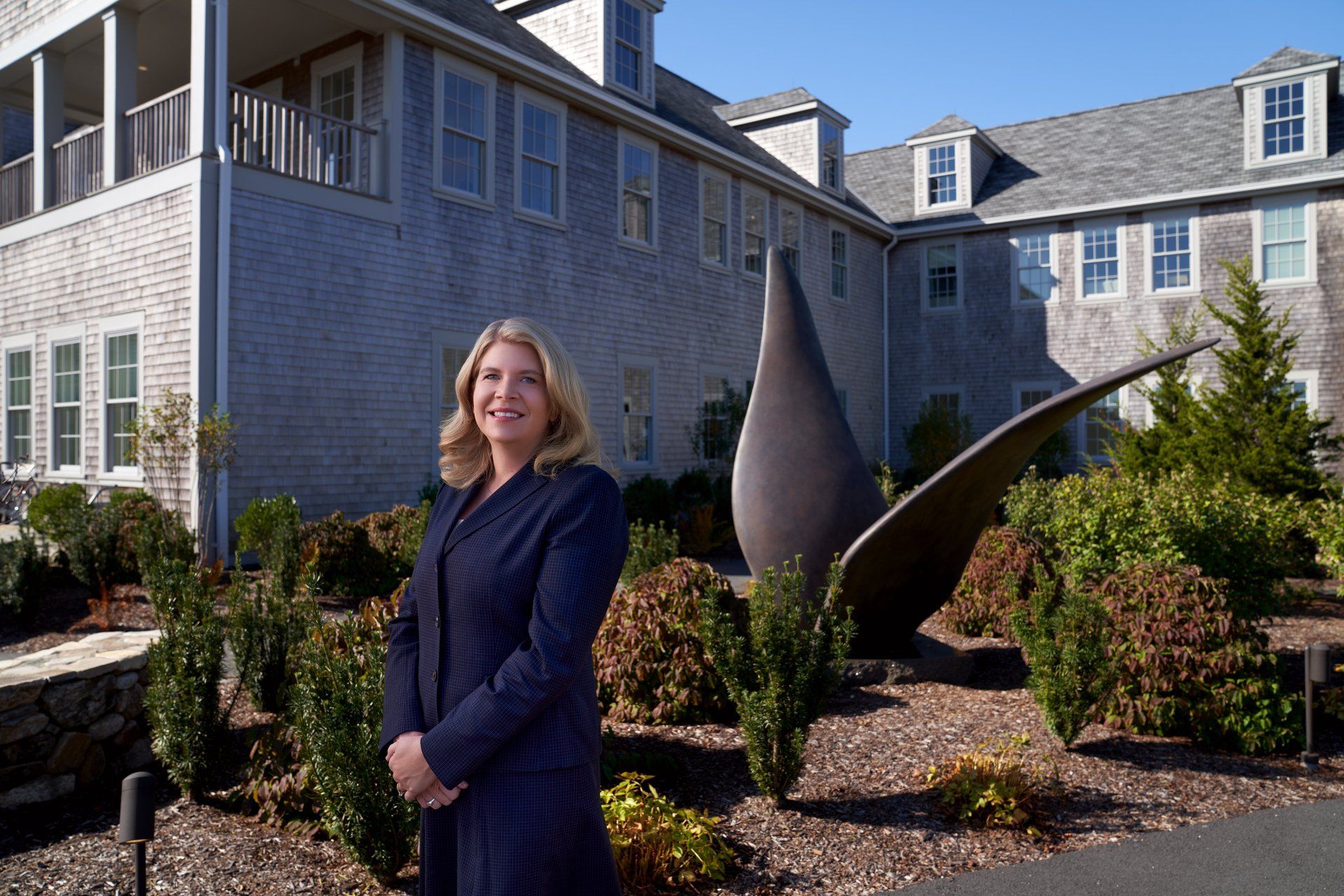
Let’s fast forward five years from now, what would your definition of success be after having been here for a period of time?
People were very transparent with what they felt like the needs for the community were. Those aligned with what I researched and really thought that the community needs.It comes down to mental health, substance use disorder programs, and how we help the population age at home as opposed to going to facilities or moving off island. I think housing has come up so many times even with us since we’ve been here for two weeks. And I think [in] working with our community partners, success would be really giving alternatives and figuring out how we can provide those services as a community and not just through the hospital.
What do you think is the biggest challenge that you are going to face as head of the hospital?
Getting the right resources to the people. Because it is a disparate population and there’s health literacy issues, there’s just that fear of reaching out. We really need to make sure that we’re in the community and providing those resources in the most efficient way possible so that we can touch the most people. I think that’s incredibly important. And I think especially things like mental health where there’s a stigma. You have to be very inclusive and careful so that people feel that they can access those resources.
What excites you most about being here?
The energy. I love the passion. I think most of the people here have made the choice that they want to live here and so they’re very passionate about their community and where they live. I love that energy. We’re very grateful to be here and we want to make sure that we leave a lasting mark on the community and that we’re here to really become part of this and enjoy every bit of it.
Latest Stories